Melbourne’s Daughter

Deep with the first dead lies London’s daughter

(Dylan Thomas)
The newspaper article was short, buried at the bottom of an inner page: Man Sought in Child Death was the headline. Ambulance officers were called to attend an infant who was not breathing. They found injuries described as Non Accidental. They detected a feathery heartbeat and commenced resuscitation and brought the baby to hospital.
Following further treatment the baby underwent scans of the brain. These demonstrated Injury Incompatible with Life. Police wished to interview a man in connection with the matter. 
Nearly forty years ago I became intimately familiar with that hospital. At the age of fifteen months our youngest child was treated there for Aplastic Anaemia. I had learned enough of this invariably fatal disease at medical school to dread it. Over three miraculous days and three intense nights nurses and doctors worked on our infant as if she were their own. Three days following her admission our baby was home again, her condition in spontaneous remission. It never recurred.
I witnessed at that time what a friend describes as the operation of ‘an edge’. He says a hospital like that is a line where the worst and the best meet and rub up against each other. The worst, he suggests, is the suffering or death or loss of a child; the best is the application of skill and care and discipline in opposing the worst. The line where the best strains against the worst is a hospital like this one. My friend describes this as ‘OUR best’. By extension the loss or suffering of the child is OUR worst. I mean we are all implicated.

 
What must we learn from those pregnant expressions: ‘Non Accidental Injury’ and ‘Injury Incompatible with Life’? Horribly intrigued I sought more news in the next day’s paper. I found nothing. For the first time in my life I went to the news on-line. I googled ‘non-accidental injury to baby’. Straight away I was sorry I had done so. Case after case, headline after headline, BABY AFTER BABY, the web told of the slaughter of our very young in Australia. RecoiIing, I quickly ungoogled. A phrase from the biblical book of Numbers came to me – ‘a land that devours its children.’
Another friend is a senior doctor at that same hospital. He is the person with whom the buck stops, it is he who has to confront the adults in whose watch a non-accidental injury has taken place. Too often the x-rays show the many non-accidental fractures that have healed or half-healed or never healed in a baby’s short tenure. He sees the scans that show the brain bruised and bleeding from multiple sites. Calmly, civilly, he must direct questions to the adults. He says, ‘Your baby has been injured in ways that cannot occur by accident. Can you explain the injury to me?’ The adult partnership fissures along one of many fault lines, the truth emerges. And the truth is braided of many rotten strands. The perpetrator – sometimes more than one perpetrator – is almost never the simple monster we like to imagine. The perpetrator too often had himself been monstered – his life fractured, his brain contused by one evil or by another or by many.
I read, over the days that followed, a scattering of further details, most of them horrible beyond my imagining. And finally, this: the injuries being incompatible with life, the parent of the child had agreed the doctors should turn off the machines. But before that, she donated the baby’s organs. Injuries incompatible abruptly became compatible with saving half a dozen young lives.

 
I described babies who are killed as OUR babies. I felt, as I read Helen Garner’s, ‘This House of Grief’ that the three murdered boys were in a real sense Garner’s children, they were mine, they were all our children. And in my moments of google horror I felt the same shock of personal responsibility.

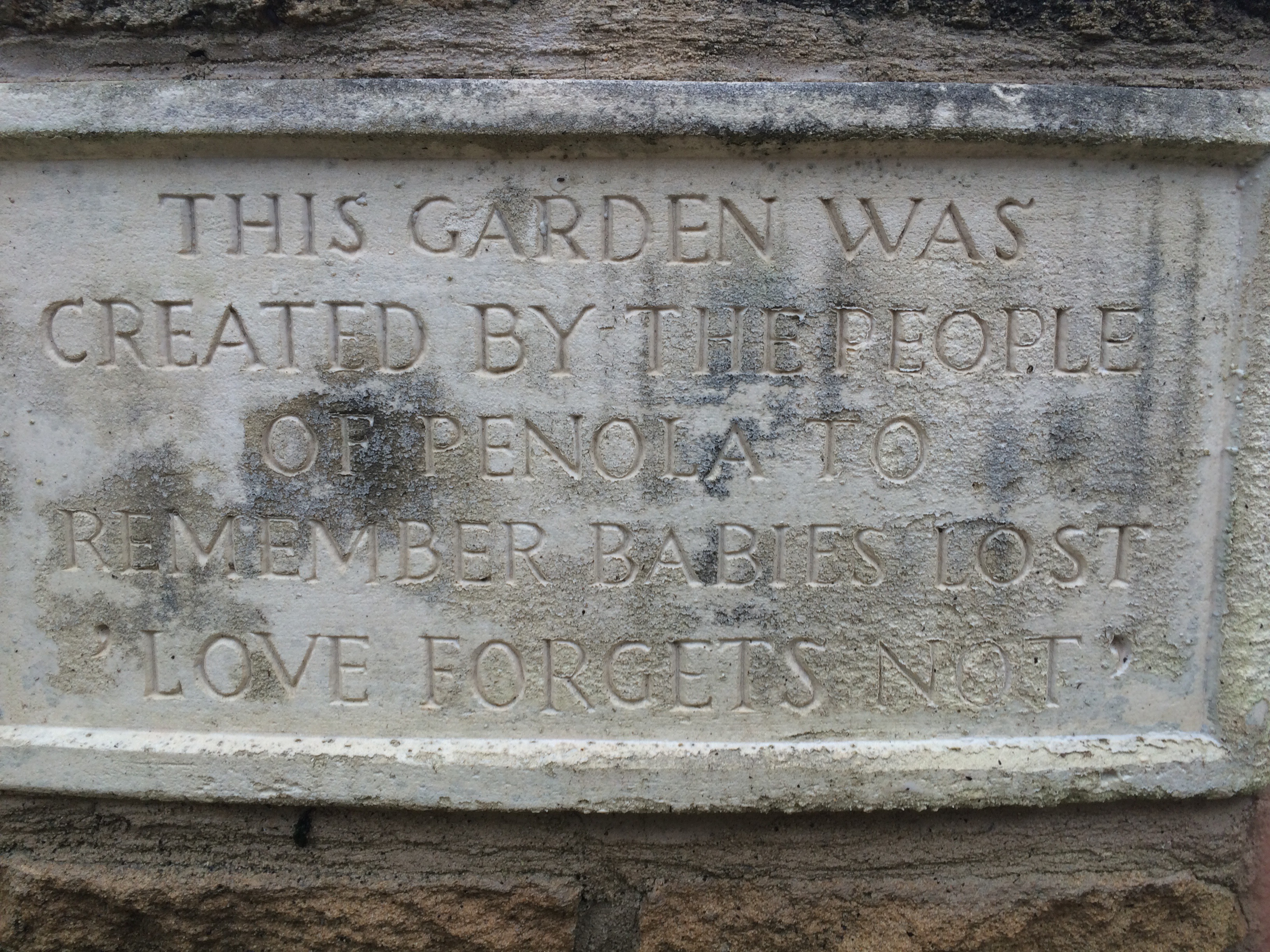
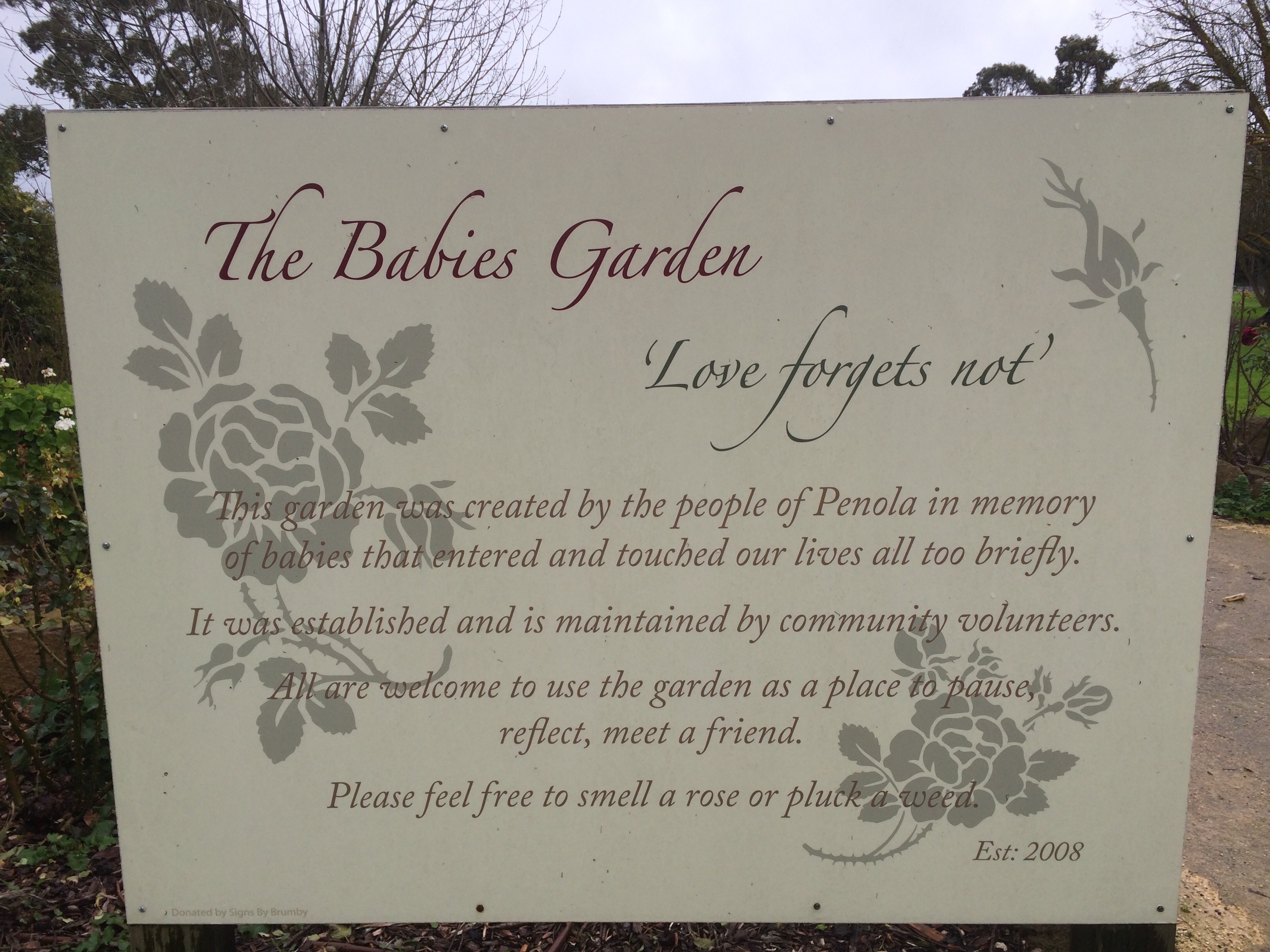
In the small South Australian town of Penola people built and tend a park to remember their babies lost.

Invitation to a Preview of my Next Book 

I INVITE THE ENTIRE WORLD TO 
THE WORLD PREMIERE
OF 
 A THREEFOLD CORD 
THE LONG-AWAITED NOVEL BY HOWARD GOLDENBERG FOR CHILDREN OF 8-12 YEARS

AND THEIR PARENTS 

AND THEIR GRANDPARENTS 

AND THEIR CHILDREN

AND ANYONE WHO HAS EVER BEEN 8-12 YEARS OLD 

AND ANYONE WHO HAS LOVED A PERSON 8-12 YEARS OLD

AND ANYONE WHO LOVES A TERRIFYING, EXCITING, HILARIOUS, RUDE, OR INSPIRING STORY
COME TO LIMMUD OZ AT 5.30PM AT MONASH CAULFIELD, TOMORROW, 27 JUNE, 2017
CHILDREN WHO ACCOMPANY A PAYING ADULT ARE ADMITTED FREE OF CHARGE

while the adult is ripped off to the tune of 30-40 bucks  
http://sched.co/77uX
Limmud Oz Melbourne #books #literaryevent #authorreading 

The Departure Lounge 

Driving my sister to the airport earlythis autumn morning I looked about me and took in the mists and the mellow fruitfulness. My younger sister is not young. Shortly we would embrace, say goodbye, we’d look forward to next time and we’d both know, ‘next time carries no guarantee’.

I recalled a trip I took to that airport with Mum. I described it to my sister: “This all happened before Mum suffered her strokes. She was not young but could still travel independently. My plane to the outback was due to depart at 10.00. Mum’s inter-city flight was scheduled an hour later. I dropped Mum off at her lounge in a shower of kisses and embraces, and raced to my own lounge. Over the Public Address I heard, ‘The flight to Woop Woop has been delayed. We expect to board passengers at 11.00 and to take off soon after. We regret the inconv…’ I raced back to Mum.

‘Hello darling. How lovely to see you!’ Mum’s face was lit by a smile of mild astonishment. Time’s exigencies always surprised Mum. I began to explain and she took my hand and began to stroke my volar forearm. She said, ‘Aren’t we lucky, darling.’
I felt lucky: here we were, quiet together among the hubbub, heads bent to each other, tasting our found time. A thought came to me: ‘Mum, we two have always been sitting in our Departure Lounges, waiting for our separate flights. We both know one day we’ll have to leave, we just don’t know when. And we can’t really know who’ll leave first.’
Mum nodded. Her walking fingers patrolled from my wrist to the inside of my elbow, back to the wrist then back again. Her touch was light. I thought of early memories of Mum’s touch, of the times when she bathed Dennis and me. We both spoke at once; ‘Your skin feels so soft and smooth.’ 
  

As our hour melted away we didn’t say much.
The Public Address commanded us to part. Knowing and accepting, we parted in gentler shower of kissing and holding. Knowing and accepting and feeling very lucky, we took our separate flights.”


Scavengers at Woolworths in a Remote Mining Town

By the time we disembark in the town we have travelled most of the day. The streets are a desert in the empty way of a Sunday afternoon in the country. We need to buy food supplies but all is quiet. Nothing moves. The air tastes hot. Breathing becomes an effort.

Up and down slow wide streets we prowl, looking for a supermarket. Hello! This is Woolworths. A cluster of cars baking in the carpark. Signs of life. Or recent life.
We tumble out, one grizzled grandfather, two ratty ten-year-old twins. Woolies is open! In the course of the following twenty minutes I load a trolley with fruit, vegetables, cheese, pasta, milk, yoghurt, confectionary bribes, cans of tuna, smoked salmon for the sybaritic grandsons.
The boys have disappeared. All other customers have disappeared. Someone turns off a lot of lights. I wrestle the trolley to the check-out where the twins lie face down, arms outstretched, fingers groping in the narrow cracks beneath the checkout counters, Their long curly hair wears a diadem of dust. Their once-clean shirts from long ago – this morning – are grimy. Their faces are coated in dirt. They wear expressions of intense concentration. When I call their names they do not respond. They pay no heed. Business as usual.
I pay a distracted-looking checkout person who asks me whether the boys are mine.

Technically they are not. But I admit to the connection. 

Checkout person says: ‘That money doesn’t belong to them.’

‘What money, I wonder?’
I call the boys and advise them I am about to leave, the store is about to close, and I will collect them at opening time tomorrow. If I remember.

The boys surface, faces aglow with dirt and triumph, their hands full of coins. ‘Look Saba! We found all this money under the checkouts.’

‘That money doesn’t belong to you’ – checkout person again.  

‘It doesn’t belong to you either’, says one cheeky voice.

‘Who does it belong to?’ – challenges another.

‘Woolworths!’

‘No it doesn’t.’ – two voices in chorus.

‘It can’t belong to the shop, Saba. The people paid the shop. The people dropped the coins. It’s not the shop’s money.’

‘Whose is it, do you think?’ – asks the grizzled grandfather, who isn’t really too clear on the legalities or the morals here.
The boys have an answer: they’ve spied a tin chained to the checkout counter. The tin has a slot for coins in its top.

The boys are busily feeding the coins into the tin, counting as they go. ‘Twenty two dollars and thirty-three cents, Saba! All for charity.’
The boys were unerring in their reading of the moral landscape: the label on the tin reads: HELP DISADVANTAGED CHILDREN.
 

On Turning Seventy


At some time on January 8, 1946, at St Andrews Hospital in East Melbourne, Yvonne Mayer Goldenberg (nee Coleman) gave birth to her second child, a son. The precise hour of the child’s birth is no longer known. St Andrews Hospital no longer exists and, sadly for this son, neither does Yvonne. Since the moment (unspecified) of his birth, that child has enjoyed an ambivalent relationship with Time. 

  
The temporal relationship was subjected to distorting stress even before the child was born. Although Myer Goldenberg delivered hundreds of other people’s babies every year in the Leeton District Hospital he determined his own children would be delivered by obstetric specialists in Melbourne. Two weeks before the second babe was due Myer drove Yvonne to Melbourne, dropped her at his parents’ house and returned to his patients in Leeton. Once Nature had taken its course he would return to meet the baby. Yvonne came into labour at night. Her father-in-law, Joseph Hyman Goldenberg, an excitable man and an erratic driver, bundled Yvonne into the car and raced towards East Melbourne. Joseph Hyman had no obstetric ambitions of his own: emphatically he did not wish to get down and bloody with Yvonne. He drove anxiously. In those days doctors erected a red light outside their medical premises to inform the passing trade. At every red light Joseph Hyman slowed to ask Yvonne, Should we stop here? Are you sure the baby is not coming? The pair passed from East St Kilda to Fitzroy Street, where red lights abounded: doctors were not the only practitioners with red lights. In this manner, slowing and accelerating by turns, the two proceeded to St Andrews where the child was born.


The parents named the child Adrian*. 


The baby was blessed with two distinct exemplars in the matter of Time. Myer Goldenberg was a stickler for punctuality. He tried to stickle his wife, but Mum wasn’t sticklish. So unpunctual was Mum, so indifferent to Time’s pursuit, Dad claimed:  Yvonne can’t tell the time. Mum’s riposte became famous: I can tell the time, I just don’t approve of it.


I took after Mum.


When I was nine years old I decided to become wealthy. Mum offered to pay me to shine shoes at one penny a shoe. Dad had about four pairs, Mum twice that number. I polished and I banked the proceeds. After shining two thousand, four hundred shoes I had accumulated ten pounds in my Commonwealth Bank account. I withdrew that sum and I bought a wristwatch. With that purchase I won my chance for mastery over Time.

I won it and I blew it.


School and life offered challenges, adult tasks, endless opportunity for a dysnumerate adolescent to strain his brain with numbers. Tomorrow always appealed. Later was better than now. Soon, Dad, soon.


After taking up middle distance running in my ‘teens I became interested in my pulse rate. I discovered my heart beat precisely sixty times a minute. I spent many lessons with my right index finger pulp resting over my left radial artery, counting the wrist minutes to the end of class.


My father had the impressive ability to awaken from sleep at a designated hour. He’d pack the boat at nine in the evening, we’d all climb into our bunks, and we’d sleep until the roar and throb of the marine engine told us Dad had awakened, as he’d planned, with the turn of the tide.  Such a skill seemed to me mystical. I know it now to be physiological, supported by a time-swollen prostate, the older man’s alarm clock.


Dad was always awake. I’d awaken and wonder why I had; or, more precisely, why now? And go back to sleep. I came to realise I could estimate the passing of time with remarkable accuracy. Let us say I heard the News on the ABC at seven AM and then went about my business through the day until mid-afternoon. I found I could stand still, rehearse the movements and actions of the intervening time, and calculate the hour. I’d say, I reckon it must be about four, or maybe a bit after. We’d hail someone wearing a watch who’d confirm it was five minutes after Four.


Curiously Time stalked me. I never chased it; it wasn’t particularly interesting to me. Now, at threescore years and ten I have discovered a new skill, equally unexpected: ask me when someone died, when someone else married or divorced or when she published her second-last book, I’ll declare, five or six years ago. Or, the Easter before last – and I’ll be right. Time has slipped through my hands. I never gripped it firmly but I have felt its mass, I can weigh it in my mind and give you the quantum of time that has passed.


Of course my time with Time is limited. The psalm I recite every shabbat reminds me: the days of our years are threescore and ten…I’ve had my threescore and ten. I’ve spent them and enjoyed them. I have seen much, I have loved many. Many are the books I have read, many the teachers who showed me their light. But what of my books unread, my books unwritten? What of the cracks in my world I was going to fix? What of the love I owe and never paid? Happily my psalm offers an extension: but with heroic effort, eighty years… 
At medical school I came across a novel and striking notion: senescence proceeds from birth, hand in hand with growth. The processes continue. Like a plucked fruit I ripen and I decay. In the house at night you can hear me snoring. In a coffee shop the other day I sipped my cappuccino while peeking at the attractive barrista. My thigh felt suddenly hot. I turned from the young woman and saw my cup held on its side, coffee streaming onto my flesh. I realised I have come to a stage where I can no longer perve and drink coffee at the same time. On the anniversary of my birth the grandchildren celebrated me. One wrote: Saba, I love you more than mangoes. Another, We will put you in a Home.
In Time there will be time ample for sleep. For now I sleep less, as if to waste no moment of the light. I hear less but I appear to miss little. Deafness is my censor, filtering out much noise, admitting much signal. I taste Time and it remains fresh and sweet. It passes, slipping away, slipping, like a breath. New times will follow and, like all times, they will pass into memory, after that into a memory of memory, and finally into forgetting. 
I can feel Time passing by weightlessly. Time as quantum wields no heft, bears no moment: somewhere I have a wristwatch, capable of measuring time. I have set it aside: I just don’t approve of it. 


*The parents named their new baby Adrian. Years later my mother showed me the notice she and my father placed in ‘The Murrumbidgee Irrigator’: Myer and Yvonne Goldenberg are pleased to announce the birth in Melbourne of their second son, Adrian.

Over the following ten days of her confinement, Yvonne received a stream of visitors, all of whom asked the name of the newborn, and all of whom vomited. Presently their friends Ben and Ethel visited, bringing with them their son, Howard. After the vomiting my father looked at my mother, my mother looked at my father, they both turned to Ben and Ethel, asked did they mind, and Adrian became Howard. Baby Adrian was not consulted.

A Christmas Story

Every December for a few years now a friend has written to me and to everyone she knows requesting donations so she can purchase gifts at Christmas for people who have found asylum in our country. I send my small donation, very aware of its smallness. Presently my friend sends me – and all her circle of donor people – a photo of the gifts our donations have amassed. I am duly amazed: for in total they are not small.My friend was raised in a home where the ambient Evangelical Christianity weighed heavily. In time and in pain my friend left the family code behind. And so it is that my lapsed Evangelical friend and her many friends – including this unlapsed Jewish friend – send Christmas presents to a bunch of Muslim refuge seekers.

Christmas was never a part of my upbringing. When as a child , inevitably I learned the story of the nativity, I was moved. “No room at the inn” stayed in my mind as the saddest phrase, as a reproach. The inn in which I live is a Four Star establishment called Australia. There is room at this inn, lots of room.

In this state of mind I post the following children’s story. It feels appropriate to the season of goodwill. This is excerpted from a forthcoming book* provisionally titled ‘A Threefold Cord’, to be published on-line in 2016 by Hybrid Publishers. I have read the book and I like it. I commend it to your children: it is ideal for shared reading between an adult and a child aged from eight to twelve years.

This story begins with a five year old girl named Samara mustering her courage and her crumbs of English to tell her story to her Aussie friends, Jennifer, Nystagmus and Snoth:
“This story, my story. Today I say story. I English say.”
Samara spoke eagerly, her face serious and excited at the same time.
Her friends of the Threefold Cord were surprised to hear shy little Samara speaking like this. They listened without interrupting.
Samara stood up and screwed her eyes closed for a moment. She wanted to be brave and she needed to think hard, to search for every English word.
After a moment she started: “Mans with guns come our village. We family very frighten. Soldiers shoot many shootings. Father’s brother run outside house. He praying. Soldiers shoot guns. They angry because I girl, I going school. They think big mistake, they think Father brother is my father. They shoot father brother. He fall down, he not move, he many blood. Soldiers laughing, go away. Father hold his brother, he say Ahmed! Ahmed! He say Ahmed, soldiers shooting wrong man. Must shoot me, not brother.
Ahmed not answer. Father crying, his face on his brother face. Mother crying, my brother crying, Samara crying. Soldiers send bombings onto house. House is breaking. Is very noise, is very frighten.
Then Father hiding us under house. When is dark outside, Father bring donkey. He putting Mother, brother, Samara on donkey. Father walking. We riding, Father walking all night. We come far village, we hiding, we sleeping in day at Aunty house. And in night we riding, walking, we hiding when hear soldiers in night. Always we hearing shootings, bombings, we very quiet, Father giving donkey eating so donkey mouth have food, donkey not speak soldiers.”
Samara paused and blinked. The friends saw drops of water at the corners of Samara’s eyes. The child took a deep breath and spoke again. “I tell about more bad mans. Not gun mans, truck mans. Man say Father, you give money, I take you in truck. Father give man many money, man put family in truck in night. We say goodbye donkey. Brother cry, he loving donkey.
Truck go. Truck stop. Truck man say truck broken, not go now. Father pay money, truck man take money. He say, Truck not work. You walking. Sorry for truck.
We walking, walking, no donkey, no truck.
We come new country, no soldiers shooting. We come big, big water, shiny water like silver. Man say father, You come boat. I taking you family America. You pay money. Is also bad mans. He take all father money, none left now, we get in boat, fast fast, much peoples comes in little boat, such much peoples, boat very crowd. Is dark.
Boat start to move. I am excite and I am too fright. All peoples in boat very fright because big wind and big black cold water. Water come in boat, all peoples scream, cry, cry, scream.
Mother hold Samara and brother, Father hold too, boat is jump, jump, fall, fall, water is in boat, we very fright.
I praying, mother is pray, brother, father – all pray to Allah:please save us, save us please.
Boat stop, water push boat on side, push boat on other side, peoples falling on floor, fall on peoples. Mother, father holding tight children,
Big big water come and boat fall over, all peoples fall out, we all in water, wind is loud. We call Father! Mother! – no-one not hearing. I not hear voice, I looking, is everything black.
I not swimming, we family is not know swim, in our country is desert, is mountain, not is big water.
I look father…”
Samara stopped again and blinked. She blinked again, and a third time. She breathed deeply, opened her mouth, closed it. Finally she produced a small voice: “I look brother, not see.
I look mother, not see.
Father say Samara, you get up on top this wood, you hold tight. Father is lift me, I am hold tight, father head under water. He come up, he not close now, he under water.
I not… I not see him again more. I not see no-ones. I hold wood, I crying, I cold, I not family. Family is gone.
I pray Allah, I praying Allah, you bring back Samara family. If family not live, I not live. Allah, You take Samara paradise. I not family, I not want live.
But all time I holding wood like father saying me.”
The child shivered as if she felt again the cold water. She said: “Soon I say end of Samara Story. Big ship come with big light. I see water, water, empty, all empty. Not peoples, only many water. Man taking me in big ship, coming Australia. Man is good man, Australia man. But Samara alone, I no-one have. I in Christmas Island, I in Australia, Samara sad, sad all days.
Red Cross say they try find family. Maybe in one country, not Australia country.
Then one day you friends come Refugee place.” A small smile as Samara looked from Jennifer to Nystagmus to Snoth. She touched the face of all three.”You tell me many story, you teach me speak English. Samara not alone now.”
 
 
* the author of ‘A Threefold Cord’ is Howard Goldenberg

The Man said to the Woman

The man said to the woman, look how beautiful is the wide blue sea. The woman looked at the sea and saw what the man saw. She saw how the sea sparkled in the light of beginning. She saw its beauty and she knew this was what she wanted. She wanted to share it with the man. She felt something in her hand and when she looked she saw the man’s hand was holding hers. The two hands looked comfortable and strong together.
 

The woman said, yes, it’s very beautiful. It looks like it has no end.


The man said, we’ll need to build a boat. The man and the woman looked down and both saw how each hand held the other; how the hands were comfortable and strong together. The woman said, we can build this boat together and we can sail it together on this sea that has no end. And the man said, we’ll build our boat and we’ll care for it together and we’ll sail on the endless sea together and we’ll never stop.


The woman and the man understood it would take a long time to build a boat. They had long dreamed of the beautiful voyage that had no end. In their dreams their longing moved to their lips, and one murmured about the beautiful sea, and the other murmured about the voyage that has no ending, and the murmurs entered their sleeping ears and when they awoke they both knew they would build and sail together.


They knew too a boat must be safe and strong. They both knew that the beautiful sea could become fierce and dark and stormy. Their boat would have to be strong enough for great storms, for hot weather and for cold, for rain and for long dry times. Their boat would need high walls to keep out the sea, especially if children might come aboard.


The man and the woman worked hard and patiently. In childhood they had floated sticks in the rain that ran down the gutters into the great drains and they had pretended their sticks were sailing ships. But neither had never built a real boat before. They chose the good stout timbers of the kauri tree. They weathered the timbers and after one year the timbers were ready for shipbuilding. The man and the woman measured and sawed and glued and soon their timbers took the form of a boat. Then the man and the woman caulked the gaps between the timbers, and they daubed the inside with tar. Finally they painted the hull with marine varnish, and below the waterline they applied anti-fouling to stop barnacles from spoiling the stout kauri timbers.


The boat was ready to float. The man built a cabin to keep the sun and the rain and the wind from his crew; and the woman built bunks inside the cabin and a galley where food would be made for the crew.

The man and the woman slipped their boat into the water and they saw it floating and their faces shone like the sun that blazed upon the bright blue sea.


The final task was to create a crew. This took time and care. The crew arrived one at a time. They were very, very small. The woman placed each one gently onto a bunk that she had made. After a good many years the man and the woman had a full crew of small children, and the children knew no home other than their good safe boat and they grew there and became strong on the face of that shining sea. The woman looked at the crew, all hale and bronzed from the sun, and she said to the man, let’s set sail on our journey of no end.

The journey took them years. The children grew bigger and stronger. All of the children suffered falls and cuts and bruises and burned in the strong sun, but all of them healed. The man and the woman steered their boat away from storms and pirates, away from icebergs and reefs that might crash or tear their boat apart. Together the man and the woman and their crew visited islands and ports, from Mombasa to Saskatchewan. They saw volcanoes from Vesuvius to the great extinct Mount Erebus. They saw the great leviathan that leaped and blew, they loved the merry dolphins that escorted them, they knew the flying fishes and the jelly fishes, the octopus, the inky squid, the dinified seahorse. Their strong boat housed them and moved them and kept them afloat and the crew and the woman and the man knew their planet as they knew their boat, which was their world.


Sometimes a sudden tempest would arise. The children would cling to their bunks as the waves threw the craft high upon crests then plunged it deep into troughs, and the winds shrieked in the sheets and the rain fell in torrents that ran down the decking and into the sea. The children looked at the great waves of dark green and the foaming crests of white and their world was angry and unkind. Deep inside themselves they feared their boat would break and they’d all be lost. And they felt a mighty fear for the man and the woman who made their world and kept it afloat. The children wept but their cries could not be heard over the scream of the wind and the thunder of the skies. And the woman did not come and the man did not come and each child feared and cried and shivered alone.  


And as suddenly as the squall arose it would subside. The sun shone upon a gleaming world and the terrified crew came up from below and joined the man and the woman who commanded their boat. And in that sunshine the world was at peace, the craft sailed on and the crew recovered.


In every storm the children knew those fears. And in every storm they understood the man and the woman could not comfort them. But luckily, after a few frightening storms the children found their own way to feel safe. The biggest child opened his eyes just as the boat climbed up, up, up a mighty wave then down, down, down the far side, and he saw the smaller crew weeping through closed eyes, and he sang to them. And as he sang the smaller ones heard snatches of sweet sound, a lullaby, and they opened their eyes and saw the singer was their big brother and they managed to smile. From that time, when storms came the crew would all climb onto the big bunk where the man and the woman slept, and they would hold each other and sing or hum and all knew they were not alone.


After every storm the children came out and looked anxiously at their boat, but the boat looked sound and the children mostly lost their fears. But the eldest child worried: how much violence, how many storms could the boat sustain and survive?


The storms came more often and they went on longer. The howling winds and the crashing seas were slower to make peace, and the children clung to each other and sang and hummed as they trembled and tried not to show their fear.


From time to time the man and the woman would steer the craft to a port and put in for repairs. And the boat’s invisible tears and strains and cracks and leaks were glued and tarred and caulked, the barnacles were sanded off the kauri and the hull repainted as before. And the boat seemed safe and strong. And the crew and the man and the woman continued their voyage.


One day the crew awoke to a frightful storm. They heard roaring and screaming. It was the voice of the wind that screamed and the voice of the sea and the thunder that roared. And the boat shook and the small crew members saw cracks opening between the timbers and water pouring in. The biggest little crew man grabbed a bucket and the smaller crew grabbed cups and bowls from the galley and all the small people filled their cups and bowls and bucket with the sea water and threw it over the side. Each of the crew filled and bailed and threw the waters away, each of them sensing they had to be the one who would save the boat. But it was no use: the waters came up through the floor boards and up to their ankles, then their knees. Now the woman came below and the man came with her and they told the crew what they already feared. Perhaps they already knew. Perhaps the sea waters had told the young crew that their beloved boat could no longer take them on their journey safely.


The woman spoke kindly and the man spoke gently. The man said, we will always protect you and you will sail again in peaceful waters. The woman said, you will always be our crew even when we no longer sail this boat that was so beautiful. And as the two spoke gently and kindly, the children realised the screaming and the roaring had stopped. And the small ones thought, no, that’s not going to happen; this beautiful boat will be made better and we will all sail in it again. But the biggest crew child looked at the boards, all swollen and splintering, and he knew the boat would not sail again.


The boat did not sink straight away. The brave man and the sad woman steered it and sailed it to a safe place. The bow of the boat rested on dry land, and the man jumped ashore and the woman lifted the children from the broken boat and passed the crew, one by one, to the man who set them down on the shore. The smallest crew person wasn’t used to the feel of sand and grass underfoot, and started to cry. The other crew tried to comfort the smallest one, but they could not speak; their throats were full of a great ball of sadness, and when the man and the woman tried to cheer the sobbing child their throats blocked too. Suddenly all found voice and the voice they found was the voice of sadness and they wept together. And when at last they all finished weeping they looked one last time towards the boat they loved. But the boat had gone. Only a swirl on the surface of the sea marked where it had been.
Walking with my Father*, after all this Time

Most Saturdays I walk with my father. Saturday is shabbat, when I go to shule (synagogue) in the morning and walk home alone afterwards. It is this walk that I take with Dad. It works like this: services at the shule of my choice finish around noon-thirty – precisely the time my family will be gathering at home. No-one wants to risk coming between a Goldenberg and her food at meal time; too dangerous. So just a few moments before the congregation sings the concluding hymn, Adon Olam, I duck out of shule and hurry homeward.

 
When it comes to a prayer or a song a Goldenberg is not one to short-change his Maker. So, striding like my father before me, I sing that song as I walk, feeling anew the melody I sang with my father through our decades of shule-going together. In fact, Dad and I shared two different melodies to Adon Olam, one of them quite beautiful, the other even lovelier – or should I say – slower, sweeter, more expressive of longing. We loved them both, I love them still, and so I sing – first one of the two, then the second.
 
When I was a timid child I attached myself devoutly to the final lines of this song:
Into His hand, I entrust my soul
While I sleep and when I awaken;
And while ever my soul remains with me –
The Lord is with me – I will not fear.
 
But of course I did fear. First I feared the wolves and the bears that would come for me in my bedroom from the grim tales of Europe; later I felt afraid of snakes, of adults who shouted at me, of the world. I felt safe with Mum and with my dreadnought father, and – more perilously – with my risk-taking brother Dennis. I did a lot of fearing and I seized needily at the comforting closing line of Adon Olam. I’d sing it to myself when I walked alone in the dark.
 
***
 
Dad sang sweetly, his light tenor voice rising high above the circumambient baritone drone of fellow worshippers. He’d look intent as he sang, for music spoke to Dad more truly than words. Dad always claimed he didn’t like poetry, but he loved song. Music reached Dad in his secret places of abiding anxiety, it inspired him and carried his hopes, his love of life, his belief in beauty.
 
It was late in Dad’s life that he surprised me, speaking once of Adon Olam: Whenever in my life I’ve felt afraid, that last line has come to me. As a child I’d sing it to myself when I was walking alone in the dark.
 
Now a man walks home alone. Approaching threescore and ten he walks, still vigorously, as his father walked. He sings softly as he walks. Adon Olam swells in his throat. His voice slows to climb the penultimate arc of old melody, he holds that high note, then allows his voice to fall, to slide peacefully, into peace.

The man walks home alone but never alone.
 
· *’Walking with my Father’ was a chapter title in my first book, ‘My Father’s Compass’ (Hybrid, 2007). That memoir recorded my life with my father that had ended with death at a great age, a few years earlier. It was that book in which I first went public with my (possibly regressive) ancestor worship.

Of Chillis and Medicine

It was early in my medical career when I first encountered the diabolical burn of the chilli pepper.
A Greek man ferried, carried, hurried his screaming child down the driveway of our home to the side door that admitted patients to Dad’s consulting room. The child’s round cheeks were red, his eyes streamed, his left upper and lower eyelids were scarlet. The father’s distress equalled the child’s: grief and fear contended in his broken speech: Is doctor house? Too much paining! My son, he burn… Terrified – I was fourteen, and although self-apprenticed to Dad, I knew I was out of my depth – I opened the door and stammered over my retreating shoulder, Doctor will come soon, I’ll tell Mum. The man wept, rocked his child, rocked himself, his tears fell, mixing with his son’s.

Mum hurried and said kind, calming things. She fetched damp cloths and wiped the boy’s eyelids and his lips, swollen like plums. Afterwards Doctor did come, gave an injection and peace returned.
Mum explained, The boy thought the red chilli pepper was some sort of lolly. When it burned his lips he cried. Then he wiped his left eye with his chilli hand. He must have rubbed the right eye with the other.

All that happened a long time ago. I was reminded of it today as I peeled and chopped mango for a lime and mango fruit salad. I sucked a lot of mango pips, I slurped the juicy flesh from mango peelings. And my fingers and palms began to tingle. My lips tingled too. Soon tingle turned to burn. I looked at my fingers, all red and juicy and I remembered the day I prepared mango mousse for twelve. That day a dozen mangoes bled onto my lips and hands; and today my skin remembered. I had disregarded the warning at the end of the recipe to protect my skin with rubber gloves. The recipe closed with the words, both the mango and the chilli originate in Latin America. They are botanically close.
The word recipe is one a doctor uses with every prescription: the large R stands for the instruction to the compounding pharmacist, Recipe – please make up the following recipe. I did some doctoring today as well as some cooking. I claim to be a bold cook, not a good one. My family are bold eaters and candid critics of my cooking, just as they are of my healing. They will tell me after dinner what they think of my recipe.

And the Two Walked Together

The boy emerged from the car and read the sign: LIGHTHOUSE 19 KILOMETRES. Beneath the sign were the words: Six Hours. The boy spoke, his voice small: ‘I’m nervous, Saba.’
The old man reassured the boy. They pulled on their weighty daypacks and started to walk from the turntable on the mountain. The dirt track was wide enough for a small truck. It sloped away beneath their feet and, despite the lowering sky and the fine wind-whipped rain, the two made good speed in good humour.

The old man said: ‘This is a long, long downhill slope; it will be uphill on the way back. Just when we are really tired we’ll have to fight these hills.’

They looked ahead into immensity. As the path led them lower the slopes towered green and steep before them. The old man saw they’d soon be climbing. The rain stopped and the two felt hot. They peeled off parkas and jumpers and mopped rain and sweat from their faces.

Rounding a sharp bend the boy exclaimed, ‘Look Saba! Look – how beautiful!’ The old man looked and what was beautiful for him was the joy on the boy’s face. ‘Surprised by joy’ – the words floated into the old man’s mind from some half-read snatch of old verse – ‘surprised’ – overcome – as in a surprise attack.‘ The boy’s face, red with exertion, glowed. The old man looked again; he saw no sign of care.


The descent ended in a strange plain of long grasses and thick green ferns between which the pale trunks of gums rose, twisted and charred, like writhing skeletons, reaching for the sky. ‘The bushfires must have raced through here’, said the old man, ‘See how there’s not a single living eucalypt. Just ghosts. And everything else so green.’ To himself, he added, ‘They look like humans whose prayers were not heard.’ The old man had dwelled much in suffering of late. All nature spoke to him of the pain of others.

The boy’s expression was opaque.

Not an hour into the walk the boy’s voice asked: ‘Would we be a quarter of the way there yet?’ The old man doubted it. He couldn’t really say. Mostly the boy walked beside him, now and then slipping behind. At these moments the old man slowed, he hoped, inconspicuously.

The boy’s breaths were loud. The old man announced: ‘Morning tea time’, and they stopped to drink. The old man asked, ‘Apricots?’ The boy took the dried fruits and ate appreciatively. They hoisted their packs again, the boy staggering a little before steadying. The old man took the drink bottle. It felt lighter in his hand. They walked. Between the sounds of footfalls a voice spoke: ’I love you Saba.’

The old man, for all his years, for all his words, could find no words better in reply. ‘I love you too, darling.’


After a time the flat road began to rise and twist. Ahead of them they saw stately ranks of black tree trunks, erect and slim, towering upward, their branches richly green. ‘Look’, said the old man, ‘Every tree has been burned but every one of them here has survived.’ Their eyes drank in the green life, the dense underburden. Walking between the giants the two felt the silence and it did not oppress them. Rather, wonder swept their eyes upward. In quietness they laboured up long hills, around bends that led to yet more hills, working hard but not feeling it as work.

A scream broke the silence. The boy hobbling, whimpered, ‘My foot! It kills!’ The old man took the boy’s pack. ‘Here’, he said, ‘Sit down.’ ‘I can’t Saba, my arse will get muddy.’ The old man saw a tear at the corner of the boy’s eye. He spread his waterproof on a bank, pulled the boy’s haunches backward and sat him down. ‘Saba, my foot doesn’t hurt when I’m just sitting here. But it killed before.’

The old man opened lunch, bagels he’d bought from Glicks at five that morning. The previous evening the boy ordered peanut butter and honey for his: ‘Fifty percent of each please Saba.’The old man made short work of his own bagel but the boy played with his, peanut butter and honey notwithstanding. Reckoning the child needed relief the old man removed the heavy items from the boy’s pack. Bookish like his grandfather, he’d packed a small library.

‘Do you think you can test that foot?’

The boy rose, hoisted his pack and stepped forward. He winced but said nothing. And the two walked together. At first the boy’s gait was diffident, but quickly he established a fluent step-wince-step rhythm. Rounding a sharp bend the boy cried out, once again in delight. A small wooden footbridge led them across a shallow stream. Green ferns dwarfed the boy, the water chattered and rippled, the air was still and cold. The boy glowed. He turned and spoke: ‘Thank you so much for taking me here Saba.’ In the richness of his feeling the old man felt again the poverty of his own words.


They climbed. The old man, remembering walking as a child with his father, described how hard it had been to keep pace. He said, ‘Every few paces I’d fall behind. I’d have to run to catch up. I think that’s what started my life as a runner. It’s what prepared me for running marathons.’ The boy replied, ‘That happens to me too, Saba.’

The old man, a package of memories, told the boy about the time he ran a marathon in Melbourne. ‘It was springtime, quite warm. The sun shone and warmed the asphalt. I could feel the heat through my shoe every time my foot hit the road. I realised I had worn the soles too thin. Actually I had trained hard here, at Wilson’s Promontory, on tracks like this. I had run fourteen kilometres, only one-third of the marathon distance. I anticipated feeling pain with every step of the remaining 28 kilometres. I felt full of gloom. Then I did something really brilliant: I talked to myself. I said, “Every time your foot hits the ground remember you have one les step to run. Every time your foot hurts it’s a reminder – you’re getting closer to the finish.” Guess what – after about ten metres I stopped noticing my foot altogether.’

They passed a sign that read: HALFWAY HUT. Unfortunately whatever ’halfway’ meant it did not refer to the lighthouse walk. They walked on a good while and the boy asked, ‘How much further do you reckon we have to walk, Saba?’

‘Maybe ten kilometres, perhaps a bit less.’

The boy absorbed this. He picked up a straightish stick, about 1.3 metres long and tested it. A few minutes later he discarded the stick, saying his foot wasn’t too bad now. He added, ‘I love you Saba.’ ‘I love you too, Mister Pie.’ (When he was a baby family members called him ‘Sweetie Pie.’ After twelve years the remnant was ‘Mister Pie’).


The two came to a fork and another sign. To the left, the sign read: VEHICLE TRACK 9.5KM.

To the right the sign read, WALKING TRACK 8.5KM. The old man recalled the briefing from the Ranger Staff, warning them off the walking track ’because it rained last night – could be soft underfoot.’ He chose the walking track, being the shorter and possibly the softer. ‘Maybe too soft, perhaps marshy or boggy.’ He misgave but he did not reveal his uncertainties to the child. The decision proved decisive. Time and again as they clambered over steeps, scrabbled on uneven footing, wound around sharp turns and twists, the boy exclaimed in delight and wonder. At every corner a vista, at every peak breathtaking verdure. And at every pause the song of falling waters. They panted and sweated and never stopped smiling.


The old man, marathon man, always prided himself on his doggedness on hills. But these slopes, so steep, so long, so numerous, for these he needed to dig deep. Head down, bending forward to bring the pack over his centre of gravity, the old man, ploughed dourly on; while the boy sailed ahead, never slowing, never weakening, not ever quailing at the next hill and the next that unfolded in unfeeling succession at summit after summit. The old man marvelled and rejoiced.


The walking track was no bog, simply a way up and into a southern Himalaya. Abruptly the climb ended in a series of steep declines. ‘I’m scared I’ll fall’, said the boy. The old man held the back of the boy’s pack and pulled gently backward at every descent, the traction a felt message that the old man would not allow a fall.


Around a bend and suddenly the dense bush ended at a wide cleared space. The walking track had rejoined the vehicular. A short walk brought them to a further sign announcing: NO THROUGH ROAD. Rising from their left a walking track led into bush. Leaning on some rocks three men in their late thirties sat eating dried fruit. One asked, ‘You heading for the lighthouse? It’s up that way.’ A thumb pointed backward over the speaker’s shoulder indicated the walking track. The three might have been planted in that spot, so comfortable was their seat on earth, so fixed and settled their attitude.


The old man asked, ‘Have you ever walked to the lighthouse?’ Heads nodded. The man with the thumb looked at his bag of currants and said, ‘It’s mainly downhill from here. All except the final three hundred metres, which are the steepest in the entire National Park.’ The boy pointed out a smaller notice behind the men: LIGHTHOUSE 3.2 KMS. He and the old man had been walking for four hours. With a relatively short descent ahead of them both understood they’d arrive in good time for the sunset and the start of the Sabbath. That knowing, not spoken aloud, relieved the worry, also unspoken, of walking in darkness and arriving to cold and dark.


 After a short climb the track truly did descend. Underfoot, leafmeal and twigfall covered the soft sand. ‘This sort of footing is my favourite’, said the old man, ‘It comforts your soles. My feet love it.’ At every bend gaps in the bush gave way to glimpses of sea. One gap, wider than others, gave onto a view to the east of a long climbing pathway of exposed rock. At the far end of the path the two saw a white structure, phallic in shape – the lighthouse! It looked beguilingly close.


The two pressed on, half racing now. They tumbled around a bend almost falling into the arms of a human who stood on a granite elevation, tall and slim, a statue. The statue had a young woman’s face, a woman’s voice: ‘Look there: Orca.’ She pointed over a shoulder at the sea. ‘Look carefully, you’ll see the water break as they near the surface. When you arrive at the lighthouse would you please tell the lodgekeeper; there’s a pod of four playing here.’

The water broke and mended itself, broke and settled. Was this whale action? The same small disturbances were seen in every direction the man and the boy looked. Hopeful then doubting, then self-doubting, they fixed eyes, solemn and reverent, upon the sea. The old man had seen whale in these waters in years past but this time he saw no purple-black bruising the surface. After a decent interval the two hastened on. They’d seen no Orca yet they tingled with the closeness of greatness.


A voice rose from the bustling shape of the boy. He spoke of self-doubt, of fears, of haunting thoughts of his own grave unworth. The old man, filled with quite opposite thoughts of the boy, listened. He ached for the boy. He wanted to say something useful. ‘I know those feelings, Mister Pie’, was all he managed. He wished he had some infusing strength such that if he but held the boy close, the child would grow and know his worth. The urge to seize the child, to crush doubt from him bodily, was strong. But the old man knew such truth is the daughter of time. A daughter not yet ready to be born.


 Meanwhile, simple exertion, the actions of fast walking seemed to make the child lighter as he gathered momentum. The words spoken, the hard thoughts disappeared in air, leaving a small body busy and complete in its plunging passage through bushland.

The old man followed behind, carrying his pack, the boy’s books and the boy’s discharged cares.


A rock lay in their path, its northerly aspect coated in delicate mosses of brilliant green. The boy stopped to explain, ‘In the bush you can use mossy rocks as a guide, like a compass. The moss grows on the sunniest side. In our hemisphere that’s north.’


At one bend the lighthouse would appear only to disappear at the next as they corkscrewed their way down to sea level.  

Now a right angle turn marked the last of the bush. They emerged to an exposed path of surpassing ugliness. Blocks of weathered and stained cement set end to end formed a series of plaques that rose and rose, ending three hundred metres further on at the Light. This, the old man recognised, must be the ‘worst climb’ mentioned by the currant muncher. He looked up. The boy had not paused. He’d opened a lead of twenty metres as he attacked the awful slope. The old man hurried after him but the gap did not close. Half way up the boy approached a welcoming bench, set at the path’s edge to relieve exhausted climbers. The boy ignored the bench and steamed past and the old man, shaking his head, followed. When he reached the top the boy was grinning, his face a fairground of many pleasures.


Before they set out the Ranger had estimated the walking time from carpark to lighthouse at six hours. The man and boy finished in under five and in plenty of time for sunset and the Sabbath.


The lodgekeeper welcomed them. He said, ‘We’re expecting eleven in your cottage tonight. You two are the first to arrive. We expected an old – pardon me, I mean older – man and a child. Amazing that you beat all those grownups, young feller. Congratulations! Your reward for arriving early is the room with the best view. See – there’s the Light just outside your window. You’re overlooking the ocean. You’ll see any whales without leaving your room.’


The room had high ceilings, bunk beds, large windows and plenty of room for two and their possessions. The ‘cottage’ was formerly a lightkeeper’s dwelling, large enough for his wife and their eight children. Outside the wintry gale blew up a four metre swell. Inside the cottage was snug and the showers were hot. Both man and boy stank of sweat. They peeled off their steaming clothes and showered. The boy headed off to the reading room where he met the incoming walkers, adults all, and held court. The first to arrive was the trio of dried-fruit eaters, blokes in their thirties, friends since their schooldays in the Blue Mountains, revisiting old haunts and shared pleasures. After them came a family of four, rich in geography and history, which encompassed Scotland, Southern Africa, Denmark and a touch of Jewishness. The sole female was the Dane. The boy introduced himself and she replied, ‘I’m Astrid.’ This name was new to the boy who remembered her as Asteroid. Following the arrival of that heavenly body from Denmark a lean schoolteacher in his early thirties turned up. He’d sighted the boy in the carpark before setting out. Admiringly he said, ‘You walked quicker than I did’.


Darkness fell, the windy world outside moaned and window frames rattled, while inside their room the man and the boy had lit the candles. The old man placed his hands on the boy’s head and slowly, as in a fugue, recited the old words of blessing of the child. Then the two sang the Sabbath Dedication before breaking bread and feasting on packeted food brought to piping in the microwave.


Afterwards the boy beat the old man at Scrabble, much to the admiration of the last two to arrive, a bushy-faced pair who materialised from the darkness, unfussed by their final hour of moonlit hiking.


The man and the boy slept eleven hours that night.


The next day – Saturday – was a true Sabbath, a day of rest. The boy accumulated a series of hurts – his back ached, his right sole was bruised, his left knee seized in spasm. When the lodgekeeper invited all guests into the lighthouse museum for a tour, all pains were put to the side, and soon – or sooner – forgotten. The boy asked most of the questions, good adult questions, as the lodgekeeper later confided. They spent the rest of the day and the evening in the heated common rooms, reading, playing Scrabble, chatting. It is fair to say the nine adult males found the sole female and the sole child the most memorable of the company.


Early Sunday the boy revisited his wounds: his bruises padded with multiple bandaids, his knee now moving without pain, his stiff back tolerating a (lighter) pack, he said, ‘I should be able to walk.’ The old man said, ‘The stiffness and soreness will probably disappear once you warm up a bit.’ Before they left the lodgekeeper insisted on taking photos of child and man standing with the lighthouse in the background. ‘To prove to everyone you actually made it’, he said.


 The walk back was just as beautiful, just as long, just as tough as the walk out. After an hour the old man asked, ‘How’s your back, Mister Pie?’ ‘I haven’t been noticing, Saba.’ The boy greeted every new vista with delighted recognition. The top of every rise, each mossy stone, every leafy dell, every rugged prospect, he claimed them all as new old friends. He owned the track, his by conquest. Every so often the boy would turn to the old man in his train and repeat, ‘Isn’t this wonderful, Saba? Thank you so much for bringing me here!’

Over the hours of the return hike the boy never asked, ‘How far have we walked?’ Pressing hard on the hills, the boy asserted a sort of mastery: he had done this walk before, he’d do it again now. There was no doubting his ability.

Ahead of them rose the final four kilometres of unrelenting hills. Between the two and the hills a pair of colourful shapes moved in and out of focus. The boy said, ‘Asteroids. There’s a couple of asteroids ahead of us.’ Neither spoke it aloud but both decided they’d overtake the colourful figures ahead. It took them seventy minutes but they did so. The boy declined the old man’s suggestion of a break for lunch. A quick stop for drinks and fruit and upward and onward they went, again tacitly resolving they’d beat the asteroids to the carpark. As on the outward walk the boy attacked the closing uphills. Cruelly illusory, every late bend offered promise of an end. Time and again a tough slope led the eye upwards towards a seeming opening, as one would see at trail’s end. But time and again the boy ploughed on, leaving disappointment behind, his head down, breathing hard, with the old man following in his wake.


The sun found its way out of cloud, the greenery took on a lighter shade, the day gleamed. Sweat beaded the boy’s small face, the pink of his cheeks overlying a strange circumambient pallor. ‘Take a break, Mister Pie. Let’s drink.’ The boy took the bottle without words, sucked, passed it back and climbed wordlessly on.


One of the illusions of an end turned out to be the fact of the end. The boy strode into the clearing, staggering a little now on the flat asphalt. His grandfather went to take a snap to record the moment of triumph, but the boy, sickly pale, waved him away, gasping: ‘No photos, Saba.’


A little later, in the car, the boy said, ‘I’ll take my son on this walk one day – or my grandson.’